
Environmental Policy
As an eco-friendly company, PT Musi Hutan Persada is responsible for protecting the environment. In running its business for prosperity and harmonization, PT Musi Hutan Persada sets the Environmental Policy, as follows:
- Always pay attention to environmental impacts in conducting business, reduce environmental risks, protect and prevent environmental pollution by:
- Fulfill compliance with laws and regulations at the Regional and National levels, as well as other relevant guidelines or requirements at the International Level;
- Carry out environmental management and monitoring based on AMDAL and the application of Environmental Management System (SML) of SNI ISO 14001: 2015 standard, as well as other relevant requirements to improve environmental quality;
- Maintain and enhance the value of conservation in areas identified as high conservation value areas and areas of high carbon stock according to the 'precautionary principle' to preserve species of flora, fauna, and ecosystems that enter in the protected and/or rare, endangered and endemic categories based on IUCN Red List, CITES and applicable regulations;
- Do not using any pesticides classified as Class 1A / 1B (WHO standard), or substances regulated by the Rotterdam Convention, Stockholm Convention and IFCC-PEFC, and applicable regulations;
- Support National and Global efforts to reduce carbon emissions from forest degradation and deforestation;
- Saving energy resources, reducing waste, business efficiency, procurement of goods that are environmentally friendly in daily activities at work/office, in the field, and in employee settlements; and
- Carry out efforts to produce products, services and social systems to improve and enhance environmental quality.
- Observe the development of disturbances that result in decreased growth and potential yield of main plantation stand, caused by threats of pests and diseases, work areas, and forest & land fires. Then the management of plantation forest areas needed rescue.
Environmental Management
PT Musi Hutan Persada carries out environmental management and monitoring in accordance with the results of the Environmental Impact Assessment (EIA) study, environmental approvals, technical environmental approvals, as well as legislation and other relevant requirements, with a view to continuous improvement to enhance environmental performance and operates in accordance with the Environmental Management System standard SNI ISO 14001:2015. The environmental approvals held by PT Musi Hutan Persada are as follows:
-
1996EIA document
Central EIA Commission of the Ministry of Forestry No. 51/DJ-VI-AMDAL/1996 on the Approval of the Environmental Impact Assessment (ANDAL), the Environmental Management Plan (RKL) and the Environmental Monitoring Plan (RPL) for the HPHTI-Pulp of PT Musi Hutan Persada in South Sumatra Province.
-
2024Integration of Environmental Approval
Decree of the Minister of Environment and Forestry No. 1104 of 2024 on the Environmental Feasibility of Timber Forest Product Utilization Activities in Plantation Forests located in Lahat Regency, Muara Enim Regency, Musi Banyuasin Regency, Musi Rawas Regency, PALI Regency, OKU Regency, and OKU Timur Regency, South Sumatra Province by PT Musi Hutan Persada.
-
2025Integration of Environmental Approval and the Environmental Impact Assessment (EIA) Addendum for the proposed wood chip processing project using portable woodchipper
Decree of the Minister of Environment / Head of the Environmental Impact Management Agency No. 3200 of 2025, on Amendments to the Decree of the Minister of Environment and Forestry No. 1104 of 2024 on the Environmental Feasibility of Timber Forest Product Utilization Activities in Plantation Forests located in Lahat Regency, Muara Enim Regency, Musi Banyuasin Regency, Musi Rawas Regency, PALI Regency, OKU Regency, and OKU Timur Regency, South Sumatra Province by PT Musi Hutan Persada.
- 1 Environmental Monitoring
- 2 Reuse and Utilization of Wastewater
- 3 Domestic Waste Management
- 4 Management of Hazardous and Toxic Waste
1Environmental Monitoring
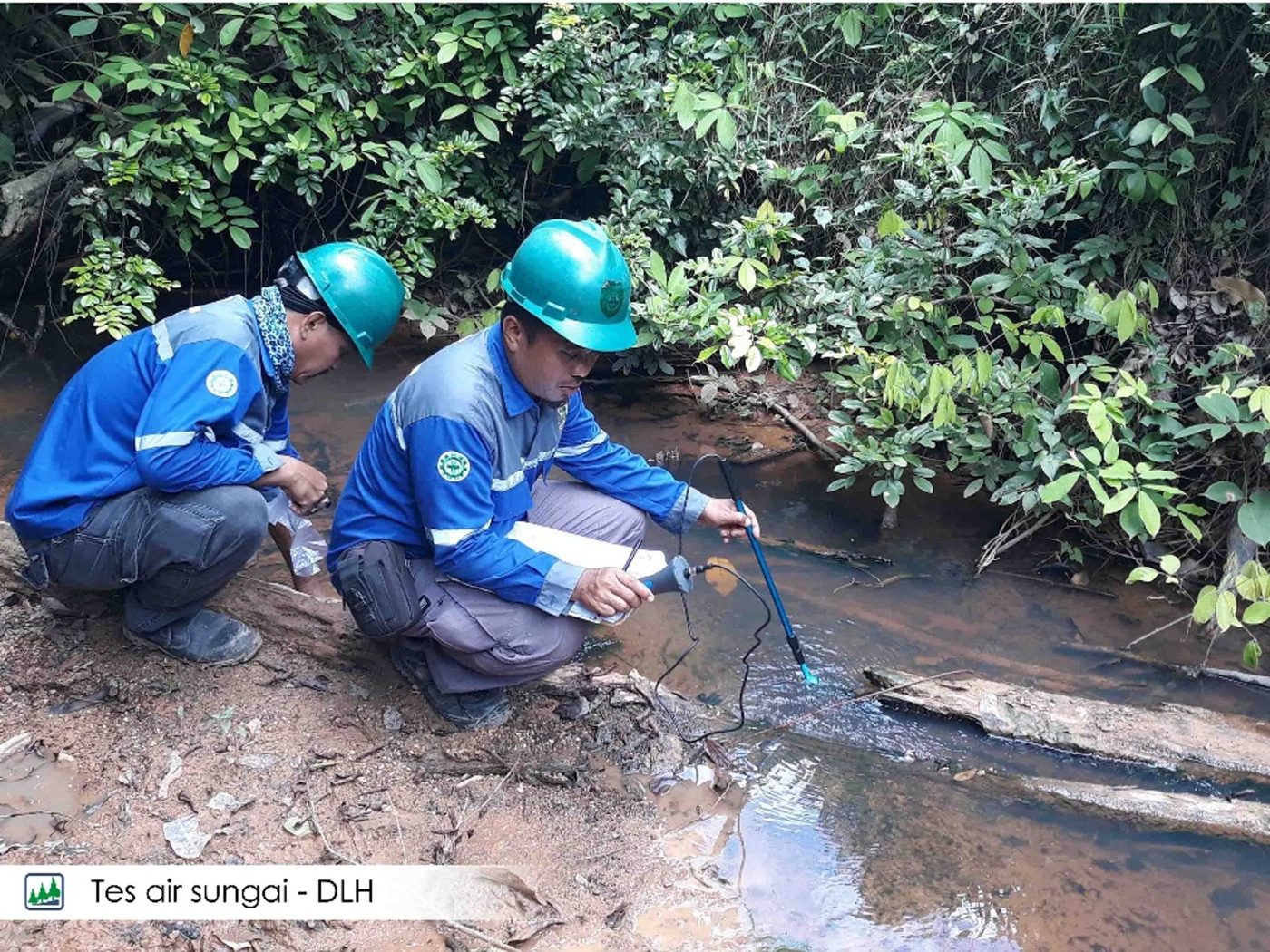
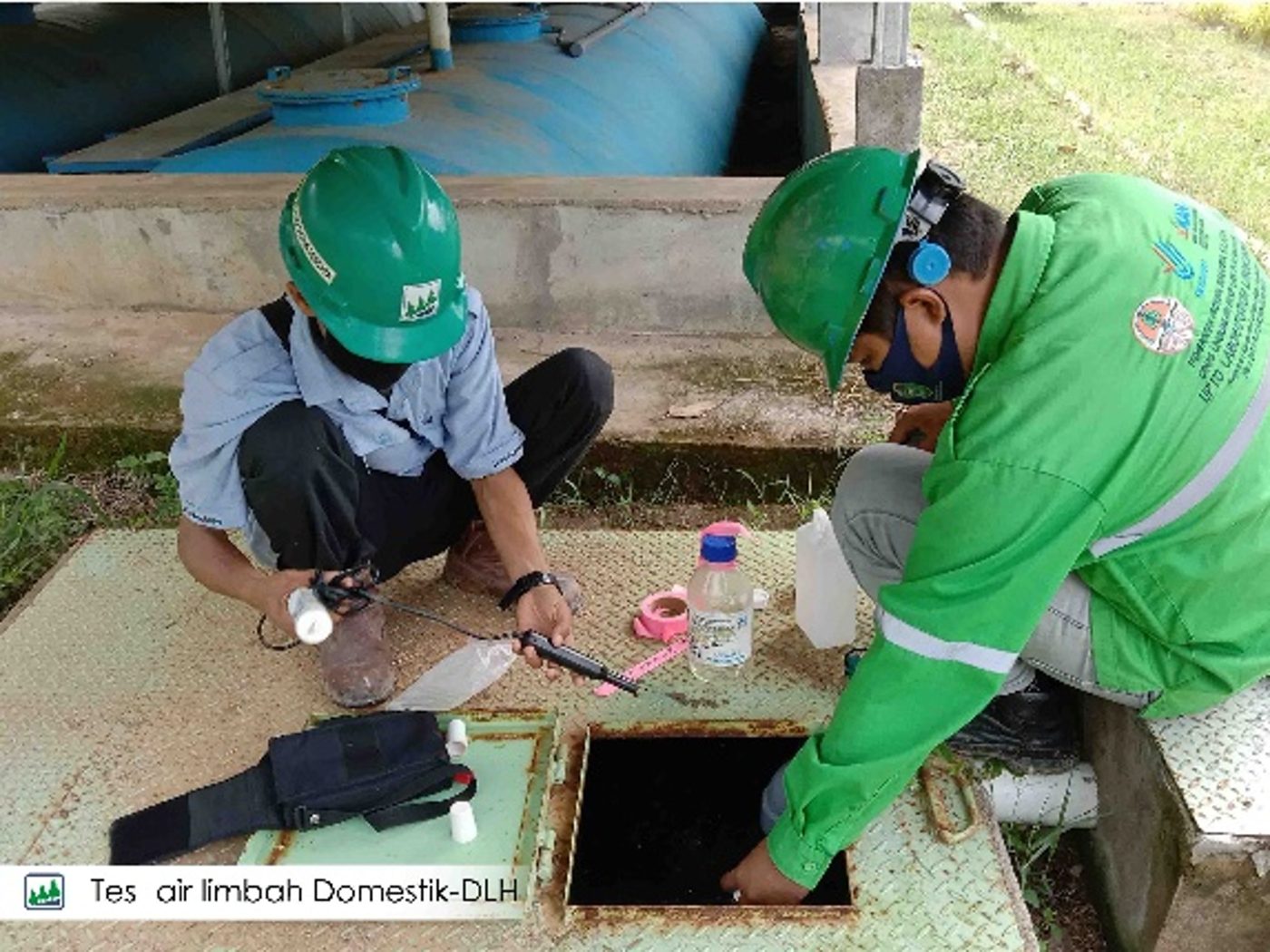
In conducting environmental monitoring activities, the company engages and collaborates with several third-party laboratories that are accredited by KAN (National Accreditation Committee) and registered with the Ministry of Environment, thereby ensuring that the environmental quality results are lawful, credible, independent, transparent and accountable.
Sampling activities for surface water quality, pesticide parameters in water, domestic wastewater quality, as well as workshops on aquatic biota, ambient air and air emissions from generator sets are conducted by the Environmental Laboratory of the South Sumatra Provincial Environment Agency. For the testing of soil samples to determine their physical and chemical properties, the department collaborated with the Soil Testing Laboratory at the Department of Soil Science and Land Resources, Faculty of Agriculture, IPB University.
2Reuse and Utilization of Wastewater
PT Musi Hutan Persada has obtained Technical Approval for compliance with wastewater quality standards for the purpose of land application specifically for irrigating green open spaces (RTH) around the company’s basecamp area, as stipulated in a letter from the Deputy for Pollution and Environmental Degradation Control at the Ministry of Environment/Environmental Control Agency, reference No. B.1152/F/PKL.2.12/11/2025 dated 24 November 2025.
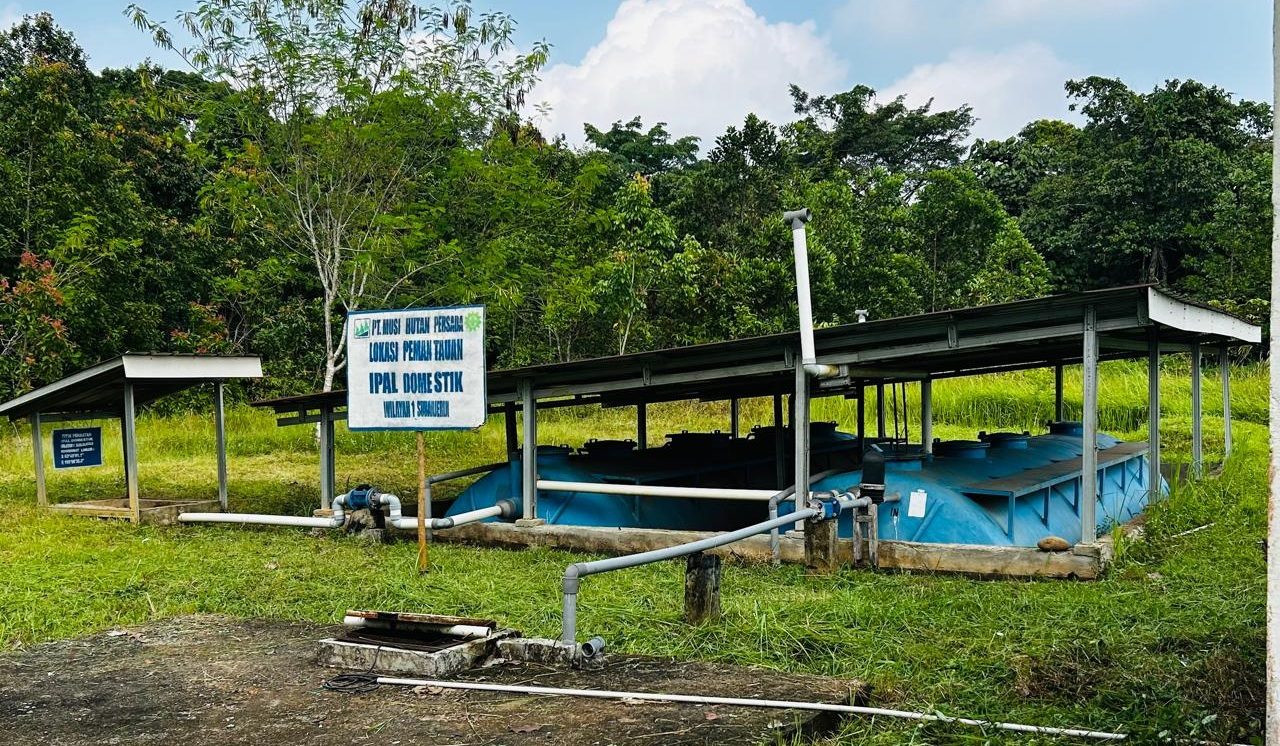
In accordance with the Technical Approval, wastewater from nursery operations is managed through a treatment scheme that allows for reuse, specifically for irrigating seedlings, thereby ensuring efficient water resource use and environmental friendliness. Furthermore, treated wastewater originating from domestic sources, workshops, and vehicle washing facilities, provided it meets the required quality standards can be applied to the land for the irrigation of green open spaces. For the treatment of domestic wastewater, aerobic and anaerobic bacterial degradation technology is utilised in the Biofilter Wastewater Treatment Plant.
3Domestic Waste Management
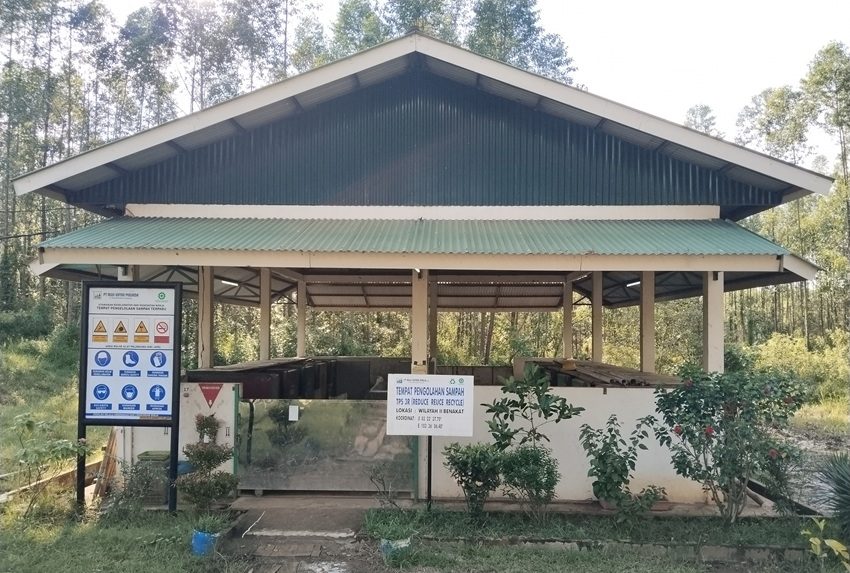
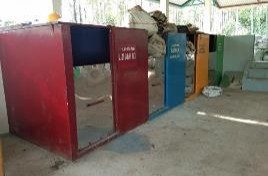
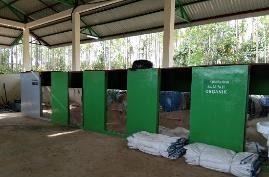
PT Musi Hutan Persada manages its domestic waste independently by applying the 3R principle: Reduce, Reuse, and Recycle. Domestic waste collected from regional basecamps, unit basecamps, and contractor basecamps is brought to 3R waste management facility, where it undergoes sorting and processing. The sorting process yields reusable waste, recyclable waste, organic waste, hazardous and toxic waste (B3), and residual waste (waste that cannot be utilised).
Reusable and recyclable waste is sent to and processed in collaboration with the Eco Green House Waste Bank in Palembang and the Prabumulih Waste Bank. Organic waste is composted to produce compost and serve as a feed source for black soldier fly larvae (maggots). Meanwhile, residual waste is sent to and processed in collaboration with the Final Waste Treatment Facilities (TPA) in Muara Enim Regency, Musi Rawas Regency and East OKU Regency.
4Management of Hazardous and Toxic Waste
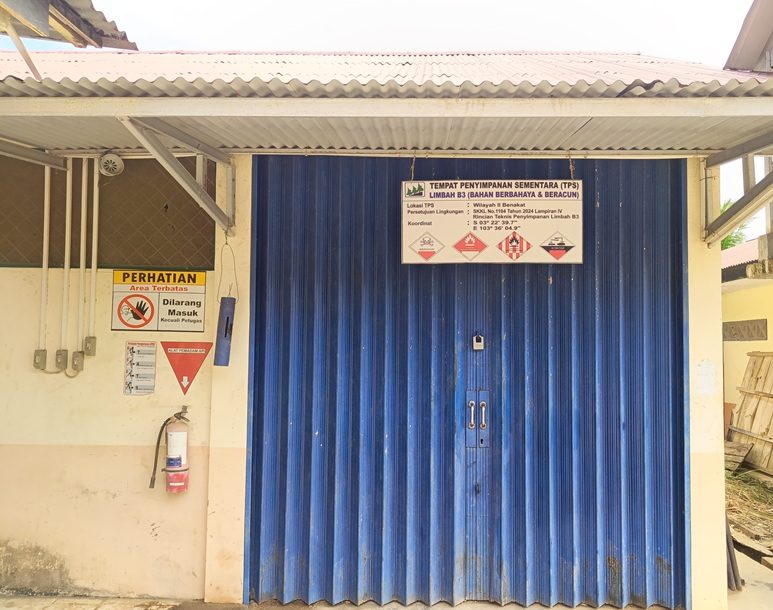
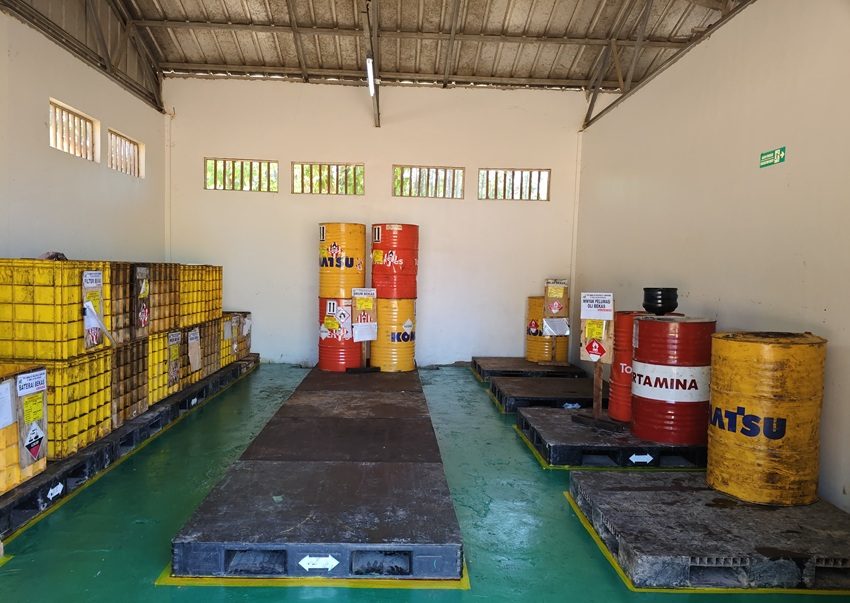
PT Musi Hutan Persada has obtained Temporary Storage Permit for hazardous and toxic waste since 2009 and the licence has been amended in accordance with Regulation of the Minister of Environment and Forestry No. 6 of 2021 to include the Technical Specifications for the Temporary Storage of hazardous and toxic waste within the Integrated Environmental Permit No. 3200 of 2025.
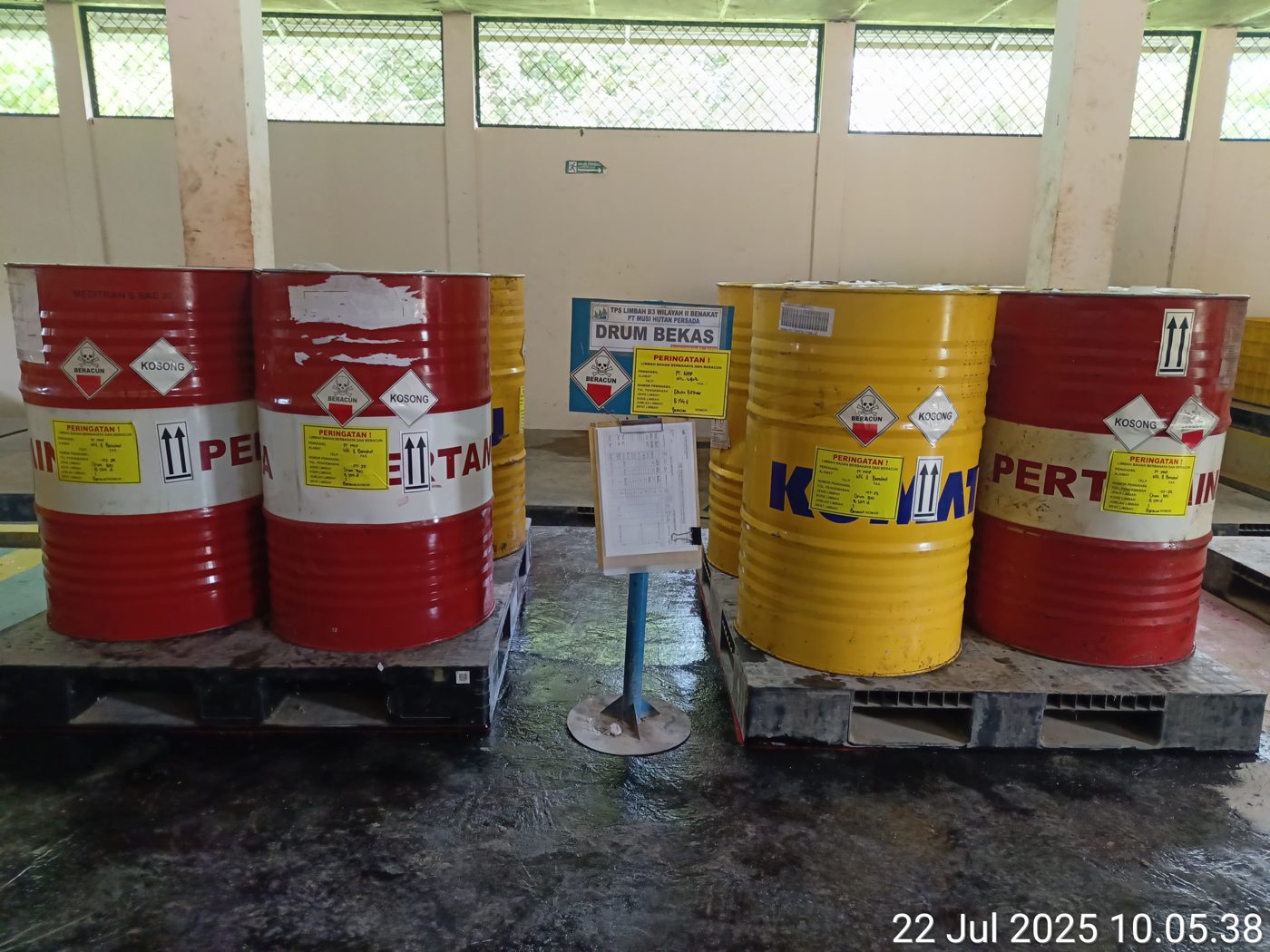
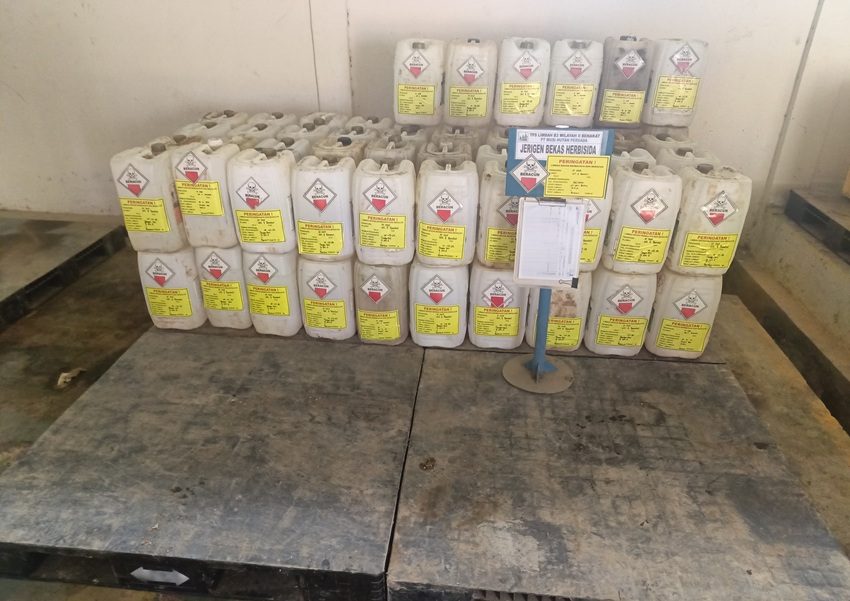
Hazardous and toxic waste (B3 waste) is generated from both core and supporting operational activities, including items such as used oil, spent filters, used hoses, used herbicide packaging, etc. In managing hazardous waste, PT MHP operates three hazardous waste treatment facilities located within the region and, for the disposal of hazardous waste, collaborates with third parties licensed by the Ministry of the Environment, such as PT Dame Alam Sejahtera and PT Universal Eco Pasific.
As evidence of its commitment to environmental management and monitoring, PT Musi Hutan Persada has voluntarily registered as a participant in the Ministry of Environment’s PROPER assessment program since 2012, earning a "Blue" PROPER rating; furthermore, in the 2022/2023 PROPER assessment period, the company was recognized as a candidate for the "Green" PROPER rating.
About PROPERHCV Management
PT Musi Hutan Persada has conducted a voluntary assessment of High Conservation Value (HCV) in its concession area; this is to strengthen planning for the use of work areas, in collaboration with the Faculty of Forestry of IPB. Then in 2019 an evaluation of HCV assessments were carried out in all work areas with HCVRN standards
This HCV assessment is to identify areas that set aside for conservation and protection and identify non-conservation areas for development company plantations. HCV assessment results consist of river boundaries, conservation areas and cultural heritage areas that have HCVs, including:
- NKT 1. Species diversity
- NKT 3. Ecosystems and habitats
- NKT 4. Ecosystem services
- NKT 5. Community needs
- NKT 6. Cultural values
HCV identification, management and monitoring activities, including:
- Identification of protected Flora and Fauna and key species.
- Monitoring of Flora and Fauna.
- Fauna monitoring with Camera Trap.
- HCV socialization.
- HCV boundary.
- Installation of prohibition sign board and HCV sign board.
- HCV rehabilitation.
- Key species management.
- Prevention and handling of human and wildlife conflicts.
- HCV protection and security.